Hi, My name is Niki!
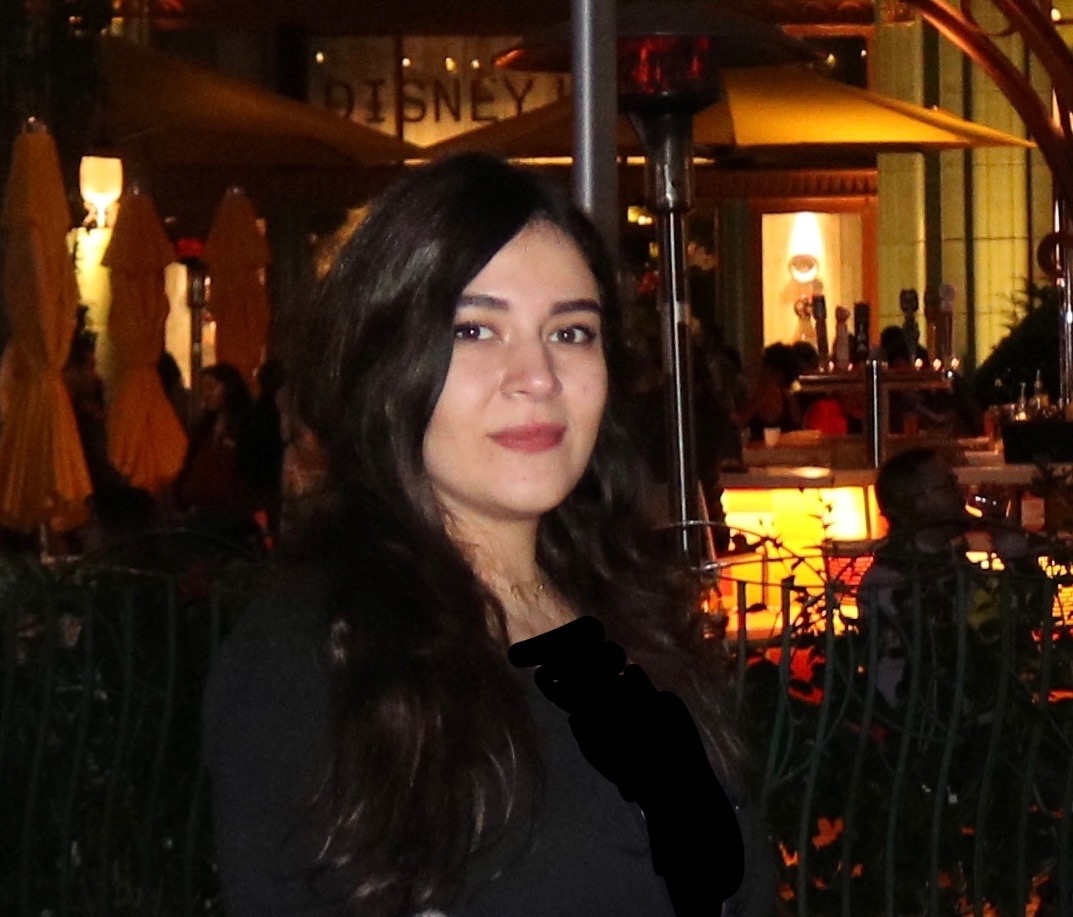
I am a Postdoctoral Scholar at the University of Washington where I work within the School of Nursing and Health Studies.

I obtained my Ph.D. in Cognitive Psychology from Miami University, where I was a lab manager of the Thought, Language and Culture (TLC) lab.

My research focuses on the intersection of cognitive flexibility, stress, and health behaviors, with an emphasis on disordered eating and youth mental health. I aim to identify cognitive and emotional mechanisms that contribute to maladaptive coping and behavioral risk, using a multi-method approach that includes behavioral tasks, self-report measures, and longitudinal survey data. My research involves neuropsychological assessment, systematic literature reviews, data visualization, and the development of interactive dashboards to communicate trends in behavioral health.

My work has been published in peer-reviewed journals such as Psychiatry Research, Eating and Weight Disorders, Plos One, and Psychological Reports, and has been featured in media outlets like PsyPost for its relevance to public health.

Selected Publications

Coronavirus Anxiety Associated with Enhanced Orthorexia Nervosa Symptoms and Reduced Cognitive Flexibility
Hayatbini, N., Knauft, K. M. & Kalia, V. (2025). Psychological Reports. https://doi.org/10.1177/00332941251343542
Rumination and Gender in the Relation Between Perceived Threat and State Anxiety During COVID-19
Knauft, K. M., Hayatbini, N., Wilensky, S. M., & Kalia, V. (2024). Psychological Reports. https://doi.org/10.1177/00332941241246491
Are Orthorexia Nervosa Symptoms Associated with Deficits in Inhibitory Control?
Hayatbini, N., Oberle, C.D. & Ali, M.N. (2021). Journal of Eating and Weight Disorders-Studies on Anorexia, Bulimia and Obesity, 26(5), 1553-1557. https://doi.org/10.1007/s40519-020-00979-4
Are Orthorexia Nervosa Symptoms Associated with Cognitive Inflexibility?
Hayatbini, N. & Oberle, C.D. (2019). Psychiatry Research, 271, 464-468. https://doi.org/10.1016/j.psychres.2018.12.017

Blog

Stay tuned!

Publications

Coronavirus Anxiety Associated with Enhanced Orthorexia Nervosa Symptoms and Reduced Cognitive Flexibility
Hayatbini, N., Knauft, K. M. & Kalia, V. (2025)
IF = 1.7
Rumination and Gender in the Relation Between Perceived Threat and State Anxiety During COVID-19
Knauft, K. M., Hayatbini, N., Wilensky, S. M., & Kalia, V. (2024)
IF = 1.7
Adverse Childhood Experiences (ACEs) Associated with Reduced Cognitive Flexibility in Both College and Community Samples
Kalia V., Knauft, K., Hayatbini, N. (2021)
IF = 2.9
Cognitive Reappraisal Moderates the Relationship Between Perfectionism and Cognitive Flexibility
Hayatbini, N., Knauft, K., & Kalia, V. (2021)
Journal of Clinical Psychology, 77(7), 1685-1699. https://doi.org/10.1002/jclp.23124
IF = 2.5
Are Orthorexia Nervosa Symptoms Associated with Deficits in Inhibitory Control?
Hayatbini, N., Oberle, C.D. & Ali, M.N. (2021)
Journal of Eating and Weight Disorders-Studies on Anorexia, Bulimia and Obesity, 26(5), 1553-1557.
IF = 2.9
Cognitive Flexibility and Perceived Threat from COVID-19 Mediate the Relationship Between Childhood Maltreatment and State Anxiety
Kalia, V., Knauft, K., & Hayatbini, N. (2020)
IF = 2.9
Are Orthorexia Nervosa Symptoms Associated with Cognitive Inflexibility?
Hayatbini, N. & Oberle, C.D. (2019)
Psychiatry Research, 271, 464-468.
IF = 4.2
Body Image Coping Strategies Among Aesthetic Surgery Clients in Iran
Yazdandoost, R.Y., Hayatbini, N., Fatemi, M. (2017)
World Journal of Plastic Surgery, 6(2), 159-163.
A Comparative Study of Body Image Dissatisfaction and Psychological Symptoms Among Invasive and Minimally Invasive Aesthetic Surgery Clients and Control Group
Yazdandoost, R.Y., Hayatbini, N., Asgharnejad Farid, A., Gharaee, B. & Latifi, N. (2016)
World Journal of Plastic Surgery, 5(2), 144-149.

Publications

Coronavirus Anxiety Associated with Enhanced Orthorexia Nervosa Symptoms and Reduced Cognitive Flexibility
Hayatbini, N., Knauft, K. M. & Kalia, V. (2025)
IF = 1.7
Rumination and Gender in the Relation Between Perceived Threat and State Anxiety During COVID-19
Knauft, K. M., Hayatbini, N., Wilensky, S. M., & Kalia, V. (2024)
IF = 1.7
Adverse Childhood Experiences (ACEs) Associated with Reduced Cognitive Flexibility in Both College and Community Samples
Kalia V., Knauft, K., Hayatbini, N. (2021)
IF = 2.9
Cognitive Reappraisal Moderates the Relationship Between Perfectionism and Cognitive Flexibility
Hayatbini, N., Knauft, K., & Kalia, V. (2021)
Journal of Clinical Psychology, 77(7), 1685-1699. https://doi.org/10.1002/jclp.23124
IF = 2.5
Are Orthorexia Nervosa Symptoms Associated with Deficits in Inhibitory Control?
Hayatbini, N., Oberle, C.D. & Ali, M.N. (2021)
Journal of Eating and Weight Disorders-Studies on Anorexia, Bulimia and Obesity, 26(5), 1553-1557.
IF = 2.9
Cognitive Flexibility and Perceived Threat from COVID-19 Mediate the Relationship Between Childhood Maltreatment and State Anxiety
Kalia, V., Knauft, K., & Hayatbini, N. (2020)
IF = 2.9
Are Orthorexia Nervosa Symptoms Associated with Cognitive Inflexibility?
Hayatbini, N. & Oberle, C.D. (2019)
Psychiatry Research, 271, 464-468.
IF = 4.2
Body Image Coping Strategies Among Aesthetic Surgery Clients in Iran
Yazdandoost, R.Y., Hayatbini, N., Fatemi, M. (2017)
World Journal of Plastic Surgery, 6(2), 159-163.
A Comparative Study of Body Image Dissatisfaction and Psychological Symptoms Among Invasive and Minimally Invasive Aesthetic Surgery Clients and Control Group
Yazdandoost, R.Y., Hayatbini, N., Asgharnejad Farid, A., Gharaee, B. & Latifi, N. (2016)
World Journal of Plastic Surgery, 5(2), 144-149.

Media Coverage

"Perfectionistic Tendencies Are Associated with Reduced Cognitive Flexibility and Heightened Emotional Suppression"

This article in PsyPost discusses the significant findings of the research conducted by Hayatbini et al. (2021), highlighting the impact of perfectionism on cognitive and emotional processes.

Hayatbini, N. (2021)

Read more here →

"Coronavirus Anxiety Associated with Heightened Orthorexia Nervosa Symptoms and Reduced Cognitive Flexibility"

This article in PsyPost discusses the significant findings of the research conducted by Hayatbini et al. (2025), highlighting how pandemic-related anxiety combined with reduced cognitive flexibility contributed to an increase in orthorexia nervosa symptoms, as individuals became rigidly preoccupied with healthy eating as a coping mechanism.

Hayatbini, N. (May 2025)

Read more here →